BTLE Adapter ATR833 - VFRnav ...how it works

At this point I would like to describe setting up the above-mentioned adapter on my ATR833:

  1. Hardware installation on the radio

! On-board power off, ignition switch off !

  • Release the retaining clips of the SUBD connector at the back of the radio.
  • Remove the existing plug
  • Plug the adapter connector on
  • Lock the adapter’s retaining clips (if necessary you can use a thin cable tie)
  • Fit the existing plug onto the adapter
  • Lock the retaining clips
  • Check: …everything secure?
  1. Setting up the adapter in VFRnav

Bordspannung an, Funkgerät an<

(if nothing is found here, see Troubleshooting below)

  • Settings → Devices → Device connections → # Device (tap) select f.u.n.k.e. ATR833 (tap)

  • Settings → Devices → Device connections → # Connected no …this should say “yes”. (Note! currently up to version 4.11.0 please ignore the status)

  • Settings → Devices → Device connections → Settings
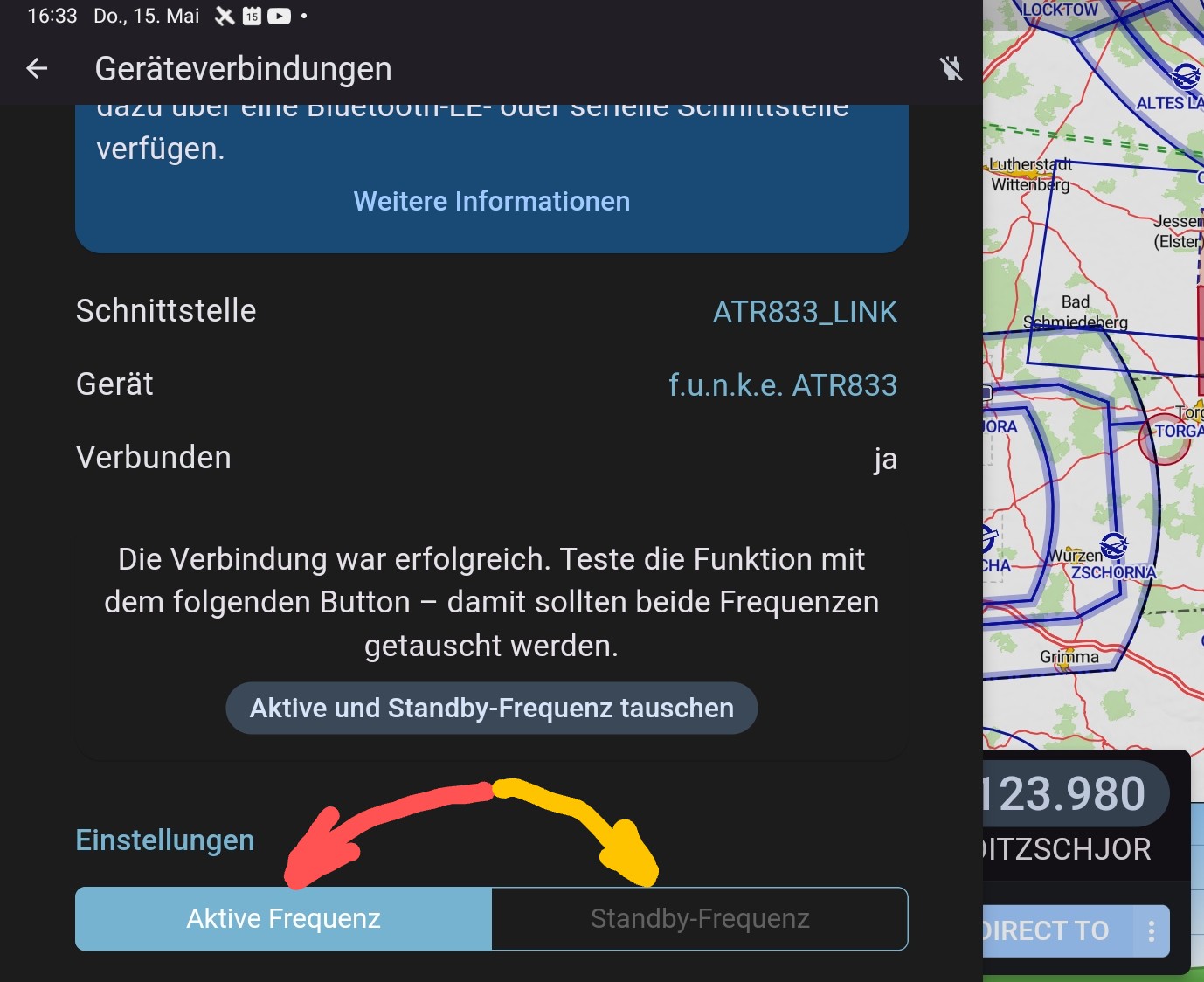
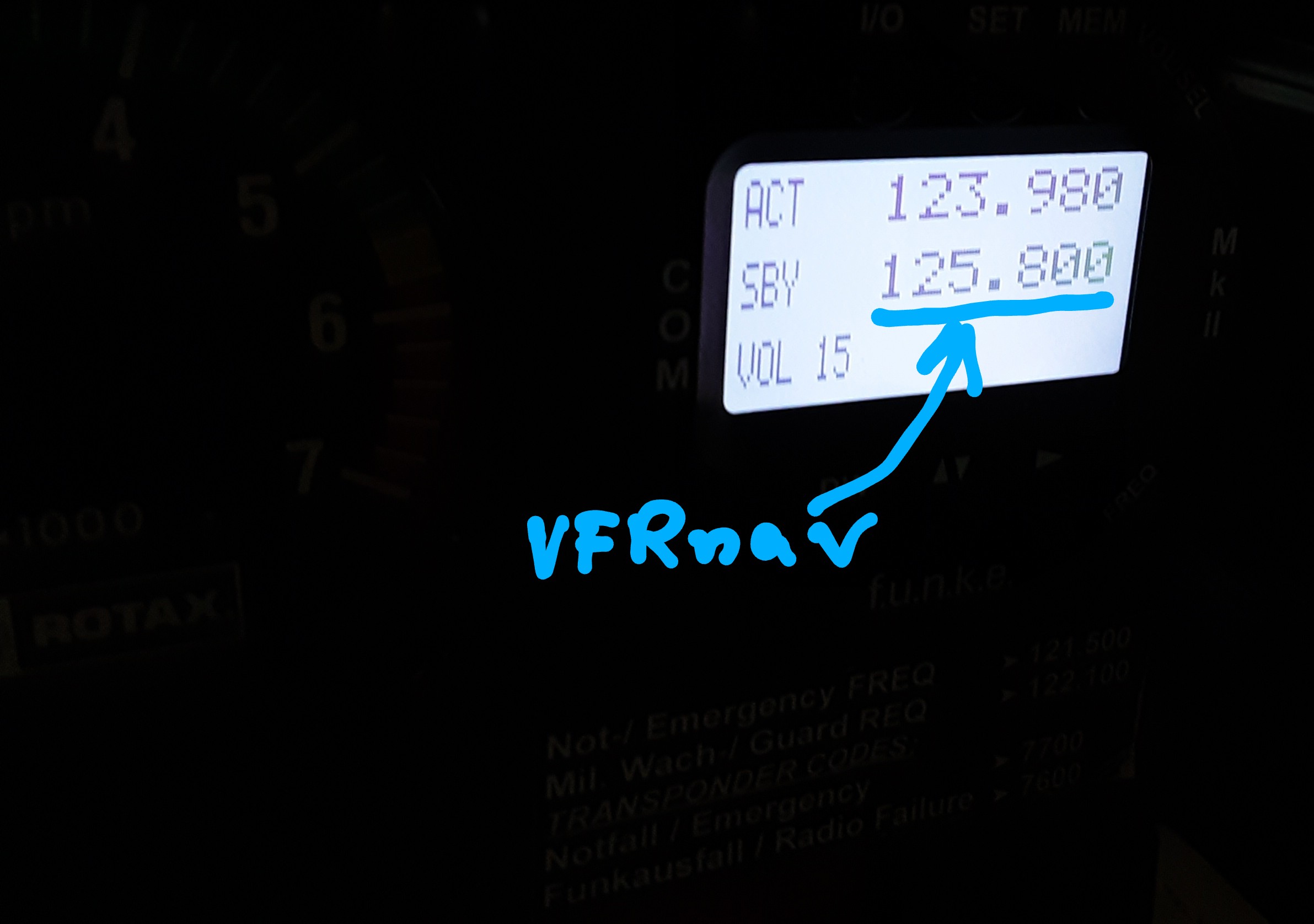
Here you can decide whether to transfer the frequency directly as the active frequency -or- as the frequency into the radio’s standby mode. (Matter of preference)

Note: you don’t need to perform these settings later. Unless you want to change something, e.g. regarding active/passive frequency.

  1. Working with VFRnav

Transfer frequency from the airspace section:
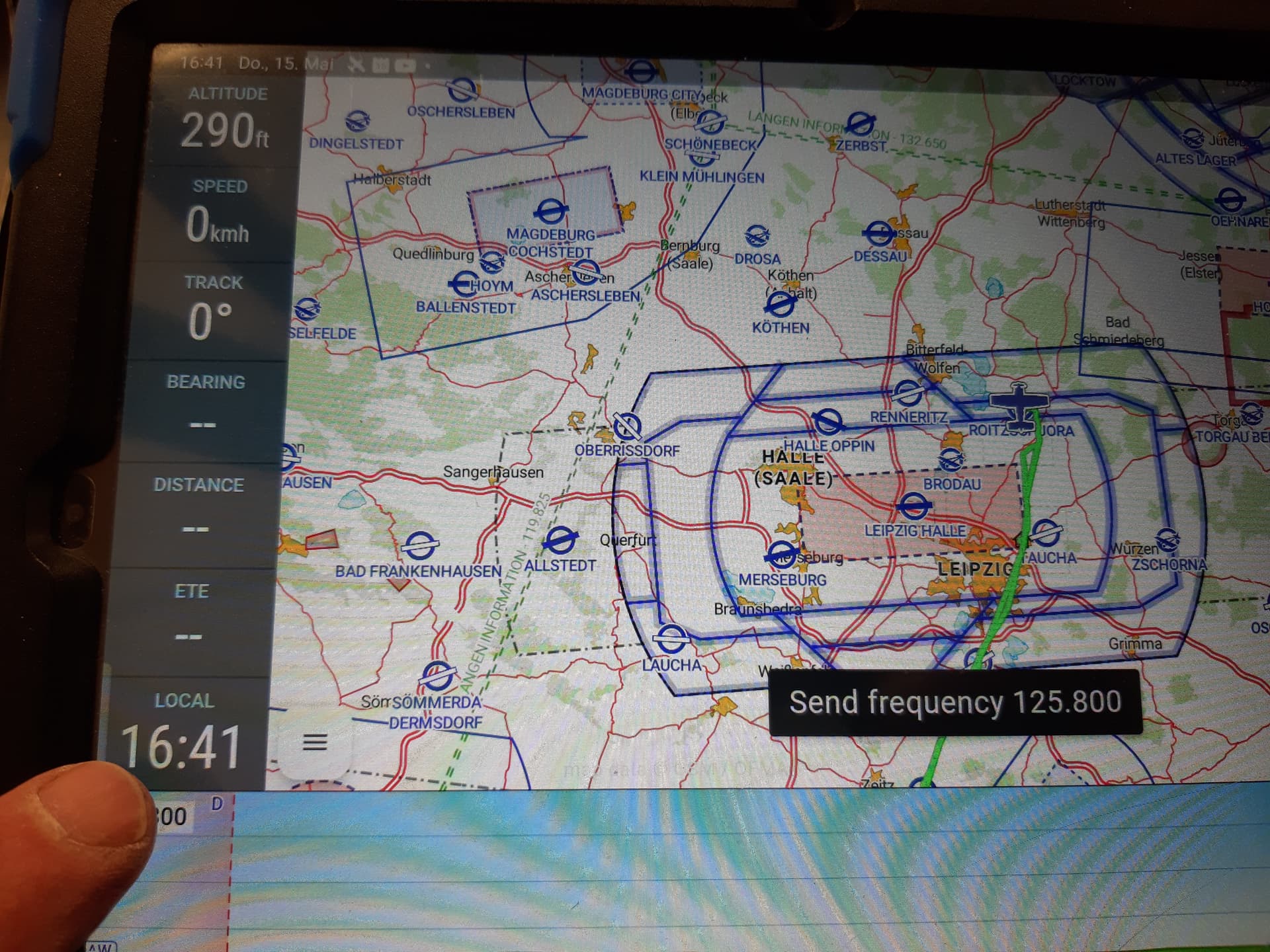


…here the transfer was set to the standby frequency.

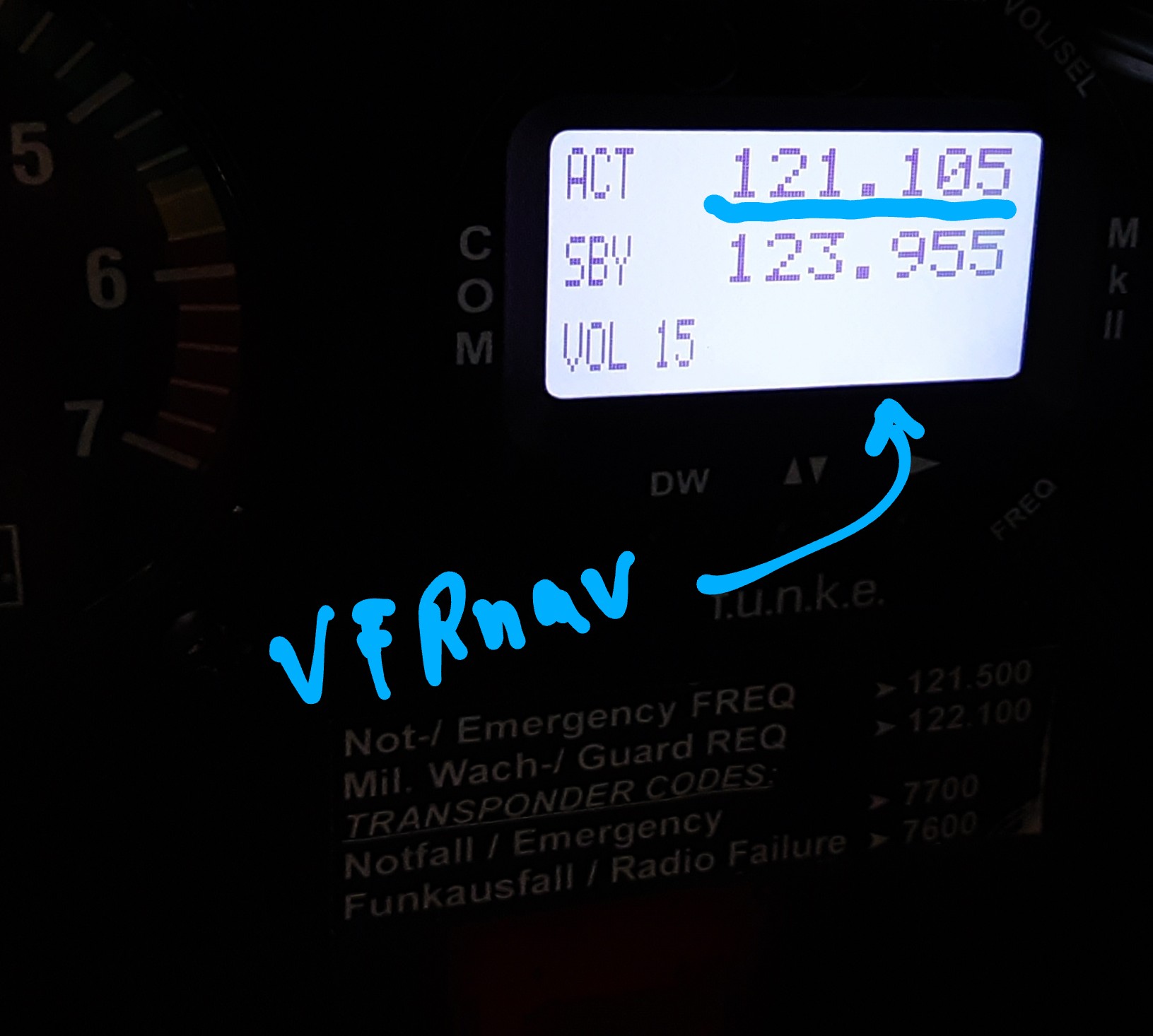
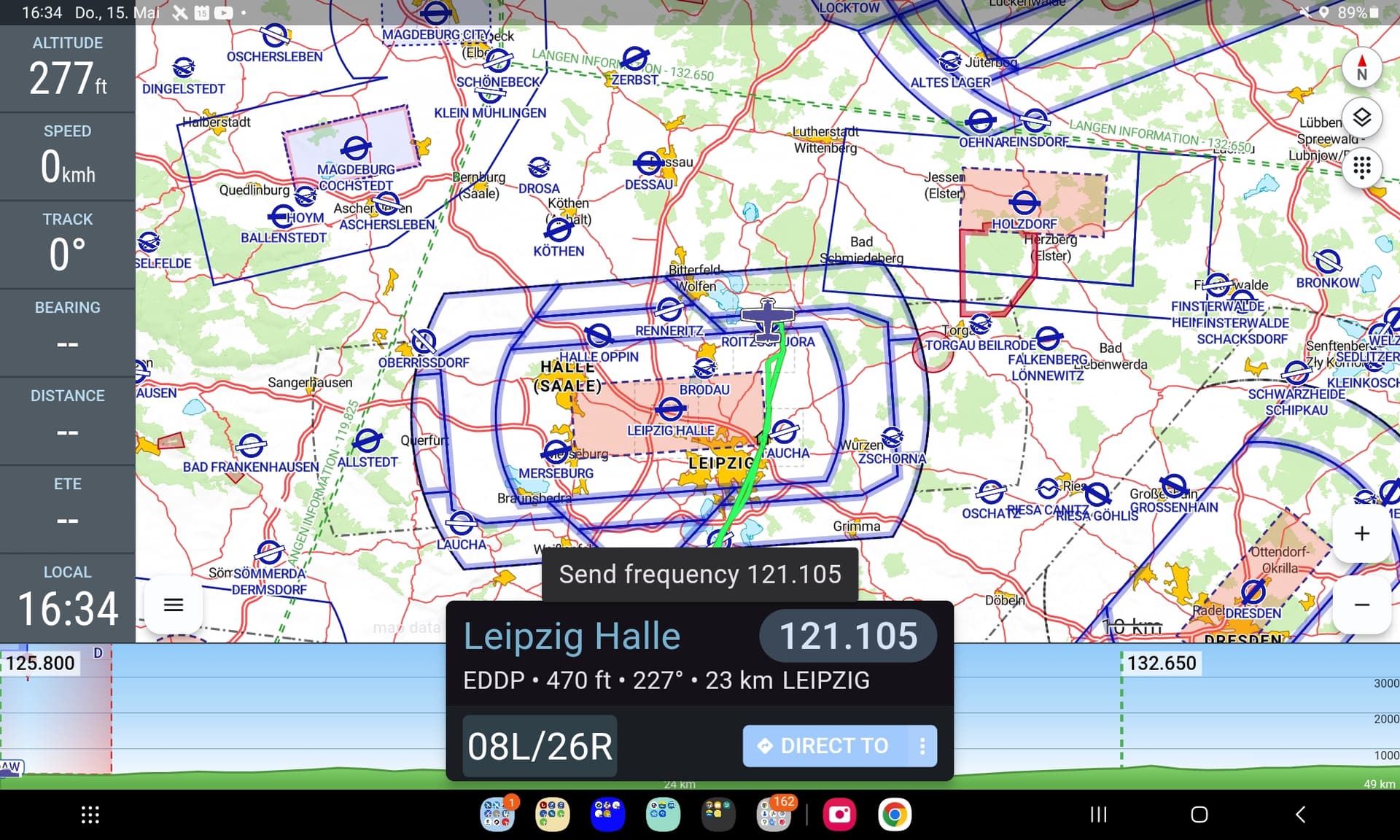
Transfer frequency by tapping an airfield:

Note: if the BTLE adapter is actively set up, the airfield frequency appears as a button with light-blue text. If the adapter is not set up correctly, the frequency appears as usual in VFRnav.

Now switched the transfer to the active frequency.

  1. Troubleshooting

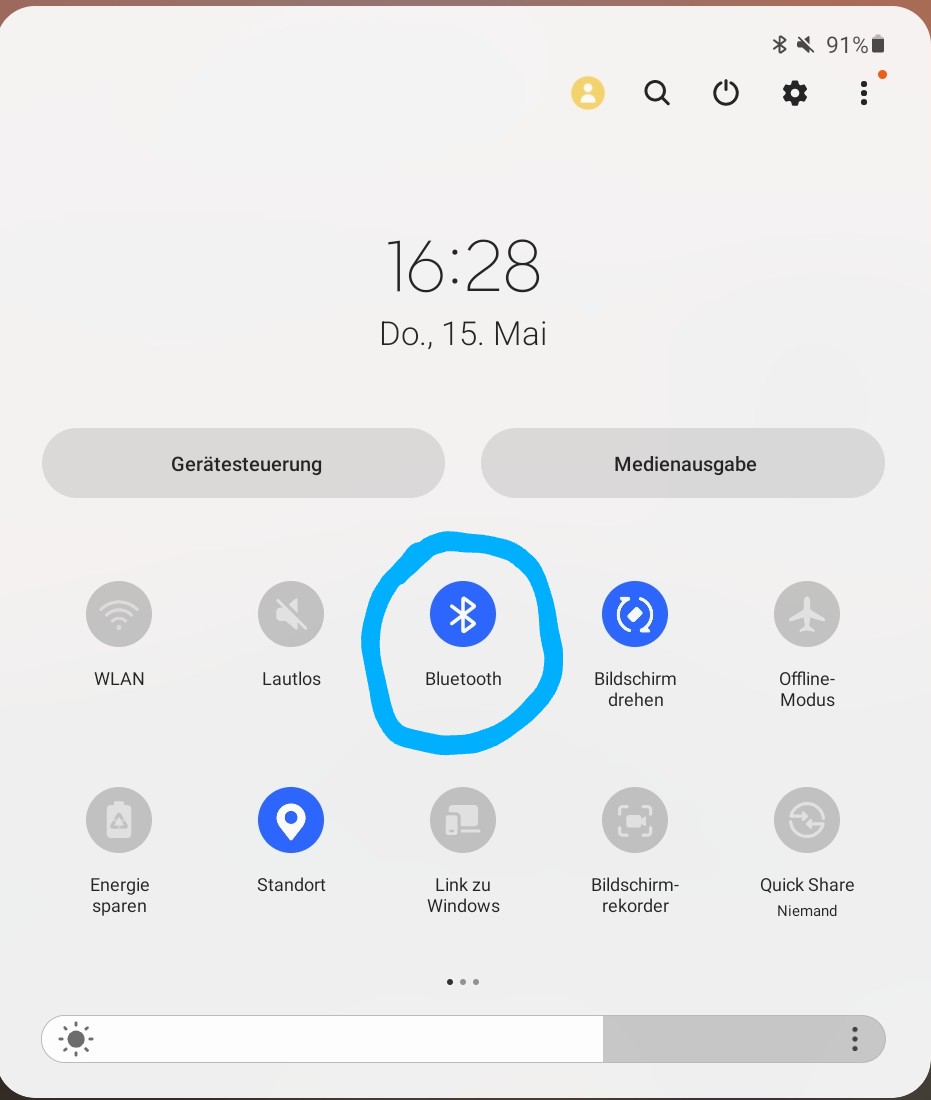
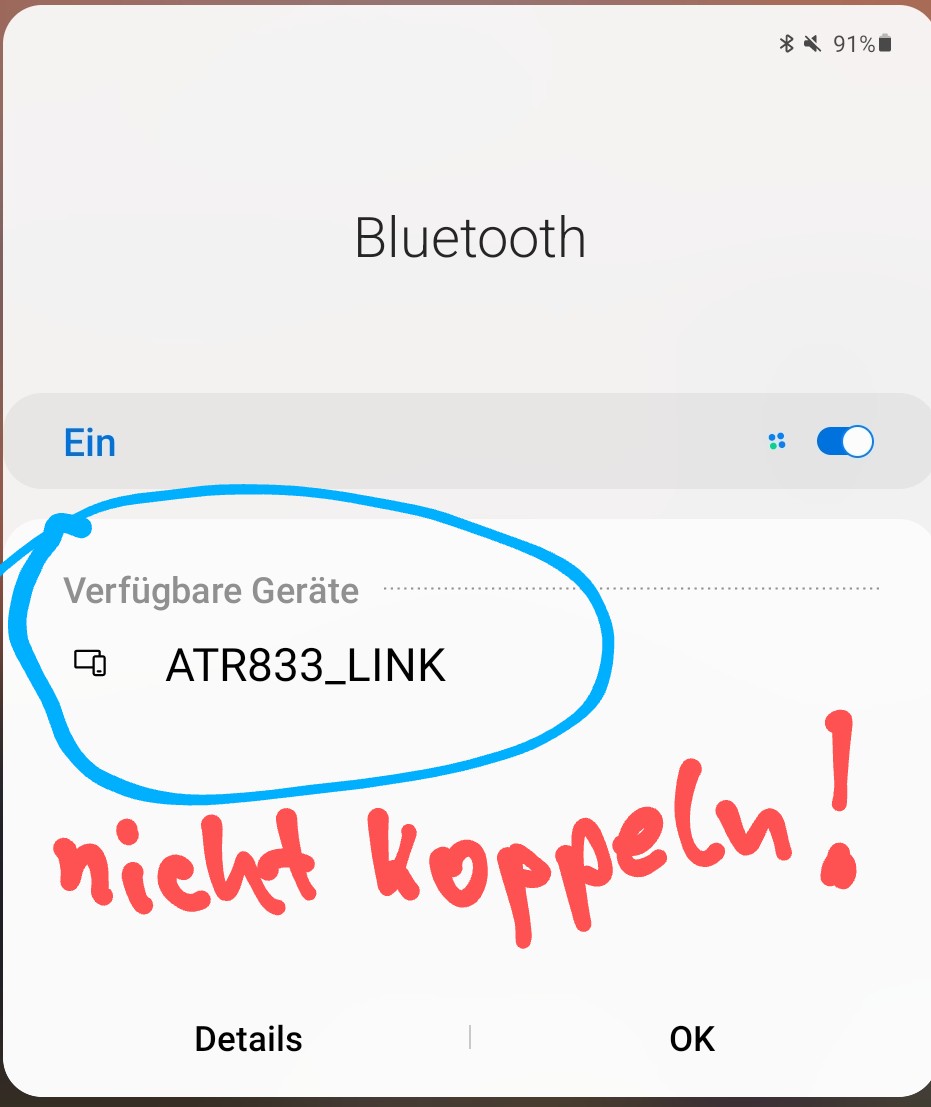
If you don’t enable Bluetooth system-wide on the phone/tablet beforehand, VFRnav will turn on Bluetooth. A permission prompt will appear. I didn’t choose that option; instead I enabled Bluetooth system-wide beforehand.

If the BTLE adapter is not recognised, other Bluetooth devices in range can be a possible source of error. For example, on recent Stratux systems BT is enabled by default. If you know what you’re doing you can, for example, connect from Windows to the Stratux via ssh using the tool Putty and edit the file: /boot/firmware/config.txt
to add the entry or remove the # character before dtoverlay:

# move RPi3 Bluetooth off of hardware UART to free up connection for GPS
dtoverlay=disable-bt

Attention! If you use functions on the Stratux via BT then of course that won’t work.
But since the connection setup with the Stratux usually occurs via WLAN Connect, you should be able to set the above-mentioned entry.

Possible causes of error can of course be a weak battery (tests when the engine is not yet running). (well … this should be remedied anyway.

I hope my tips and explanations were helpful to you. The adapter works perfectly for me. (ATR833)

best regards, simply fly
Karsten

Hello Karsten,
this is a super helpful post :open_mouth: :open_mouth: :open_mouth:
WOW!!!

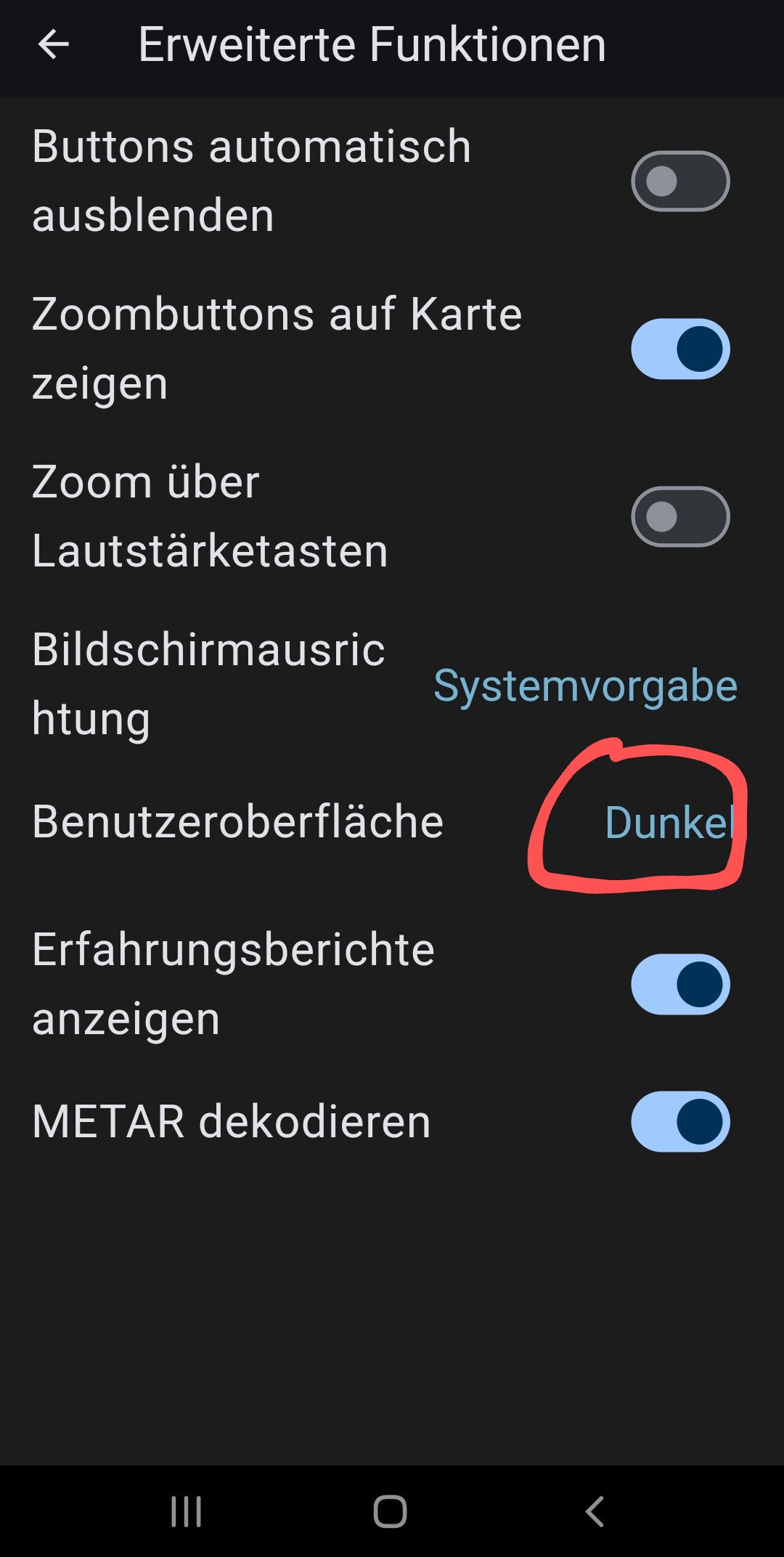
Please allow me a quick off-topic question that isn’t really on topic: on your screenshots the menus in vfrnav are dark, how do you achieve that? Mine are all white

Kind regards
Sven

Hello Sven,

Thanks!
Settings-> advanced features

Screenshot_20250518-193034~2

Kind regards, simply fly,

Karsten

Very good and thorough guide :+1: :+1:

I did exactly that with my DIY adapter. In the last version, after every startup of VFRNAV I had to re-select the adapter. With the current version, VFRNAV automatically connects on startup. Very cool!

Anyway, great explanation @KBfly

Dear Karsten,
thank you so much for the great guide :smiling_face_with_three_hearts:
It turned out really well and you’ve covered everything!

@KBfly THANKS!!! I can’t do that yet

Addendum: “…how do I add a new adapter to VFRnav, or how can I, if necessary, get the installed adapter running again?”

It may happen that you install additional BTLE adapters or want to replace an existing one.

Simply swapping hardware doesn’t work like that!

Since each BTLE device is managed under its own MAC address, we need to ensure the existing adapter configuration is deleted.

To do this, go to Settings→ Radio→

image …and click the icon in the top right.

After that, set up the adapter using the described method.

Done! :slightly_smiling_face:

Hi everyone,

we have a Becker AR620X in our aircraft, which unfortunately is not listed among the adapters you offer. However, sdlink offers a corresponding adapter for our radio and, at least according to the sdlink website, it is also compatible with VFRnav. I can’t find any information from you regarding compatibility with sdlink adapters. Do you have any information or experience about whether and how well (or poorly) this works?

Thanks and best regards

Stefan

Hello Stefan,

warte mal Hermanns Antwort ab, jedoch meine ich das hierzu ein Adapter in Arbeit oder ggf. schon da ist. Ggf. nur noch nicht im Shop? → @Hermann.

Note: For multiple orders it may be worthwhile to develop for devices that are not so widely available on the market. I also have a prospect for a Garmin GNC255A.

If there isn’t a ready-made adapter, there’s also the BTLE module (Bluetooth Low Energy module) with open ends.

But that’s something for tinkerers. Basically I’ve already fitted or recommended several adapters for mates ( das kann ja wirklich jedes Kind anstecken) and can say- it simply works.

But: does anyone also have such an aforementioned Garmin radio? ( meist E Klasse in Kombination)

Happy flying,

Karsten

Hello Stefan,

We can guarantee full hardware compatibility for current and future VFRnav versions exclusively via our own adapters and via adapters from ADK Avionics. You can find an example here:

Unfortunately, we have not been able to test software compatibility so far — partly due to limited demand and partly because we currently do not have a Becker device available.
If there is interest, however, we would be happy to take up the matter and follow up accordingly.

Kind regards
Hermann

Hello Hermann,

Thanks for the quick reply. I enquired because sdlink explicitly lists compatibility with, among others, VFRnav. Also, on ADK I can only find references to Skydemon. Ultimately I don’t mind where the Bluetooth module for radio integration comes from, as long as the quality is right and compatibility is ensured. I would like to tackle the topic “Integration of a Becker device into VFRnav” and preferably do so together with you, as I know at least a few pilots here who use the same device. How should we best proceed? We don’t need to discuss this publicly on the forum; we can also do it P2P.

Thanks and best regards

Stefan

I would like to take on the topic “Integration of a Becker device into VFRnav” and preferably do so together with you

I think that’s great :ok_hand:
If this can wait until next week and isn’t urgent, I can gladly send you one of our prototypes for testing. I would then raise the issue of software compatibility internally once more.

Blue skies
Hermann

There’s no rush on this topic, and at the moment I’m also seldom at the venue because of the weather… but I’m still very interested :wink:

Great, I’ll get in touch with you as soon as I know anything new :+1:

2 Likes

Hello Stefan,
I now have the first Bluetooth adapters here for a Becker AR620X (AR6201, AR6202, AR6203) radio and would like to send you one.
Could you send me an email to mail@flugbetrieb.com with your address?

Blue skies and have a nice Sunday
Hermann

Hello Hermann,

Many thanks — I’ve sent the email.

Regards

Stefan

Hello everyone,

I set up my BTLE adapter today. It was very easy. I simply followed the instructions above and it worked immediately.

Selecting the FIS (Flight Information Service) frequency from the altitude profile is a bit tricky, especially when you’re flying in an autogyro. I then tried to load a different FIS frequency, but can only select the frequency specified in the altitude profile. It would be useful for me to be able to preselect the frequency of the next FIS region during a cross-country flight. Is that possible?

Greetings from the Westerwald

Hello Achim,

Yes, I agree with you. Even for fixed-wing aircraft it’s too small in the geo profile!

Here the FIS frequency would be useful when you tap a sector of the map.

Then enter the frequency that appears. Currently this marks the FIS sector yellow… but it could also serve as an additional function?

Screenshot_20260308_232948_VFRnav

Blue skies,

Karsten

Implemented in 4.24 :+1:

…that’s just VFRnav→ development, testing, and users all working together​:clap:.

Thanks!

Aviator greetings,

Karsten